17 July 2025 | article from: Consultancy.nl
LQ is expanding its Dutch leadership team with the arrival of Tim Meurs and Sander Asma as new Managing Partners—marking a strategic step toward accelerated growth. Both bring a wealth of experience, a deep passion for organisational development, and a sharp eye for societal impact.
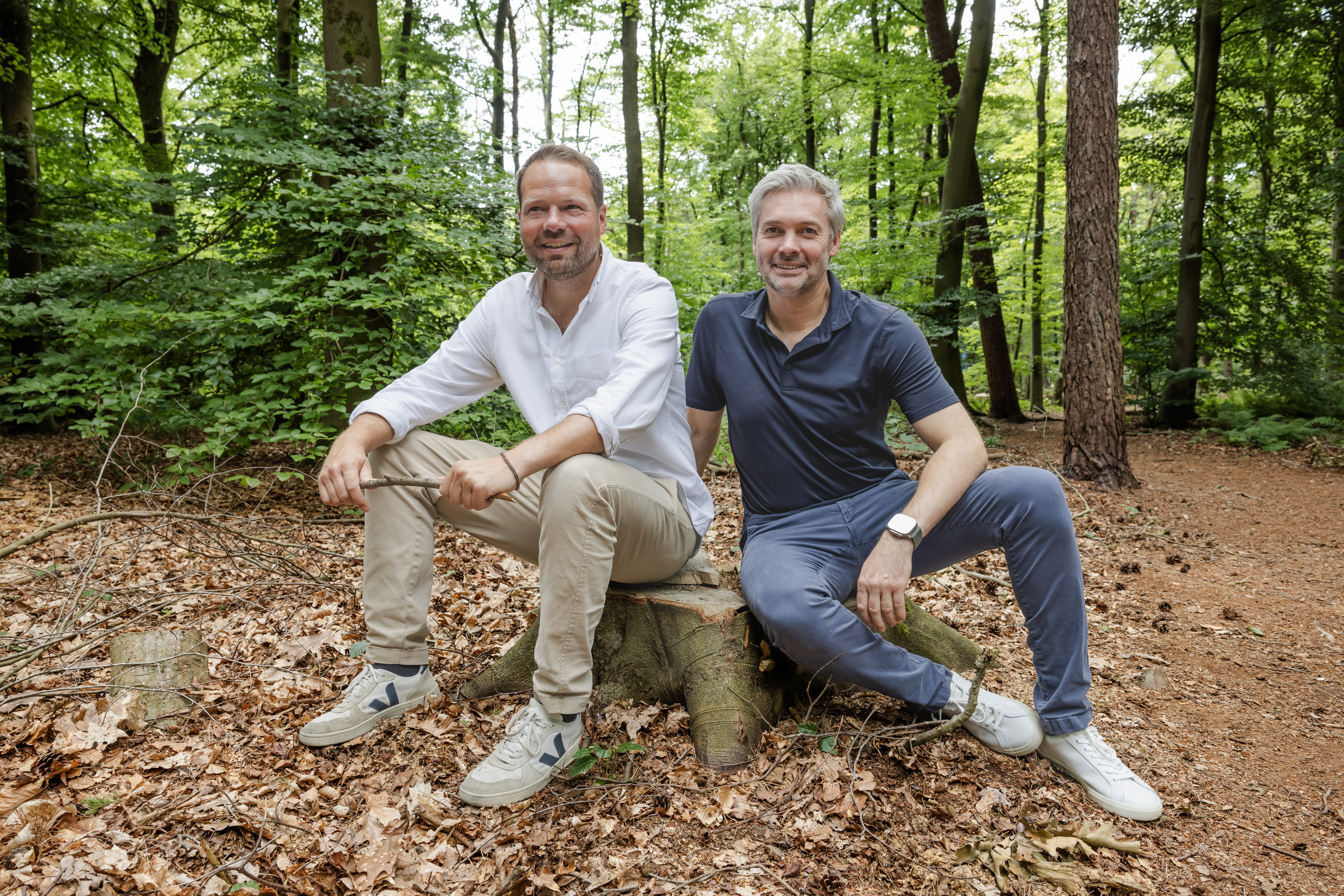
Sander Asma is no stranger to the consulting landscape, having spent 17 years at &samhoud. “I thrive in environments facing complex transformation challenges—where complexity lies not just in the systems and content, but in the dynamic between people you get to work with,” he says. “It often feels like playing chess on multiple boards at once.”
After &samhoud, Asma worked independently for four years. “I appreciated the freedom and autonomy—especially after the pandemic, working more from home meant I could greet my son and daughter with a quick high-five or cuddle when they came home from school. Those small moments are priceless.”
Tim Meurs brings a complementary perspective. With an academic foundation in psychology, philosophy, and sociology, he developed a grounded view on change early in his career.
“The great thinkers soon abandoned the idea of a fully controllable society,” he explains. “And I take the same approach with organisations. You can build a step-by-step plan for transformation, but context matters just as much. Who are the people in this organisation? And what are we truly capable of achieving together?”
Tim spent nearly five years at Capgemini and eleven at Kyden, where he progressed from consultant to leading the HR consulting team (seven years) and later the strategy and transformation unit (four years). In recent years, he’s focused increasingly on purpose-driven organisations.
“I’ve worked with executive agencies, health insurers, and research institutes—organisations deeply embedded in the public debate. In the last few years, they’ve also become ‘media-genic’. It underlines the urgent need for close collaboration between business, government, and academia. That golden triangle is where progress happens.”
Both were approached by the same headhunter. What ultimately tipped the balance? The solid scientific backbone of LQ.
LQ’s approach is based on the Six Batteries of Change model—an evidence-based framework validated in over 500 organisations. Developed and academically grounded by Professors Geert Letens and Peter de Prins (co-founders of LQ), along with Professor Kurt Verweire of Vlerick Business School, the model identifies where energy is leaking and where there’s potential to accelerate.
“I was looking for a methodology that goes beyond gut feeling and instinct,” says Meurs. “LQ offers just that. With their diagnostic model, we can pinpoint where energy is lost—and where we can gain momentum.”
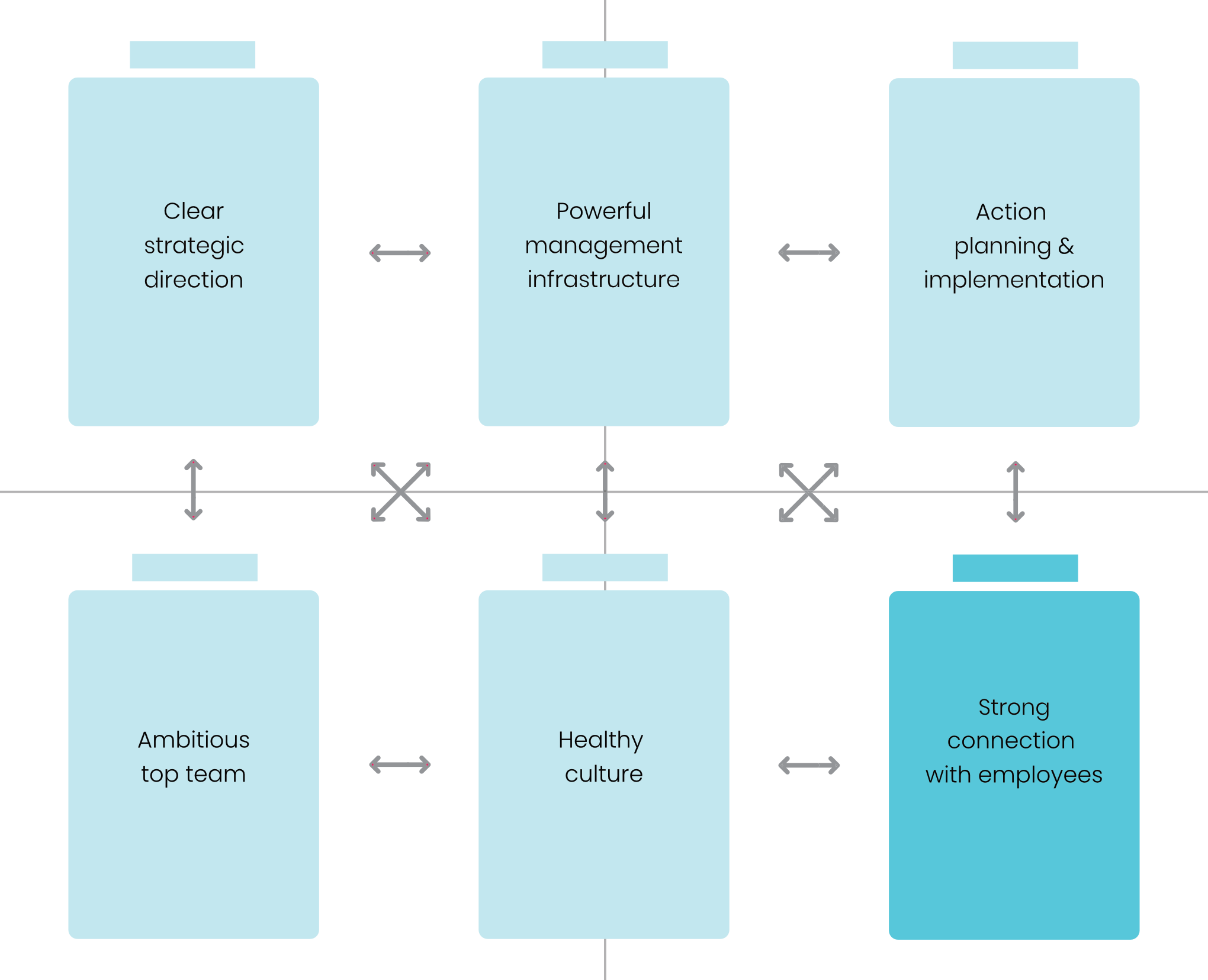
The model measures six crucial ‘batteries’ that determine an organisation’s readiness for change—such as a high-performing top team and strong infrastructure. The Six Batteries Scan provides a visual dashboard, showing which areas are red, orange, or green, and guides targeted interventions. The result? 95% of organisations that start with fully charged batteries successfully reach their transformation goals.
According to Meurs, the model provides a sharp mirror: “With fully charged batteries, any strategy has a fair chance of success. But when that’s not the case, the model reveals exactly where friction arises. It brings us back to the idea of feasibility—transformation is possible, as long as the organisational context allows it.”
“At LQ, you’re not just delivering decks—you’re genuinely creating impact,” Asma adds. “We embed ourselves in the organisation, from boardroom to frontline, using focused interventions to turn strategy into impact.”
“And we work closely with leaders to build awareness—not just of their responsibility, but of the value their organisation brings to society. Our belief? A company’s impact must go beyond financial results.”
That approach resonates. “Some clients have been with LQ for four or five years now—pretty remarkable, given the company is only six years old. It’s a strong signal that our work delivers real value.”
After years of building a solid foundation, LQ is now entering its next growth phase. “Internationally, we’re developing satellite hubs in Europe, Asia, and the US. At the same time, we’re doubling down on brand awareness and impact in the Netherlands and Belgium,” says Meurs. “Our academic ties are strong, and that opens a lot of doors.”